
English| EUR
Suggested for you
More currencies
Choose a language
Sardinia's crystal waters host several shark species, yet documented attacks remain virtually nonexistent. The question isn't whether sharks exist here—they do—but whether they pose any real risk to the millions who swim, snorkel, and dive along these coasts each year.
Quick answer
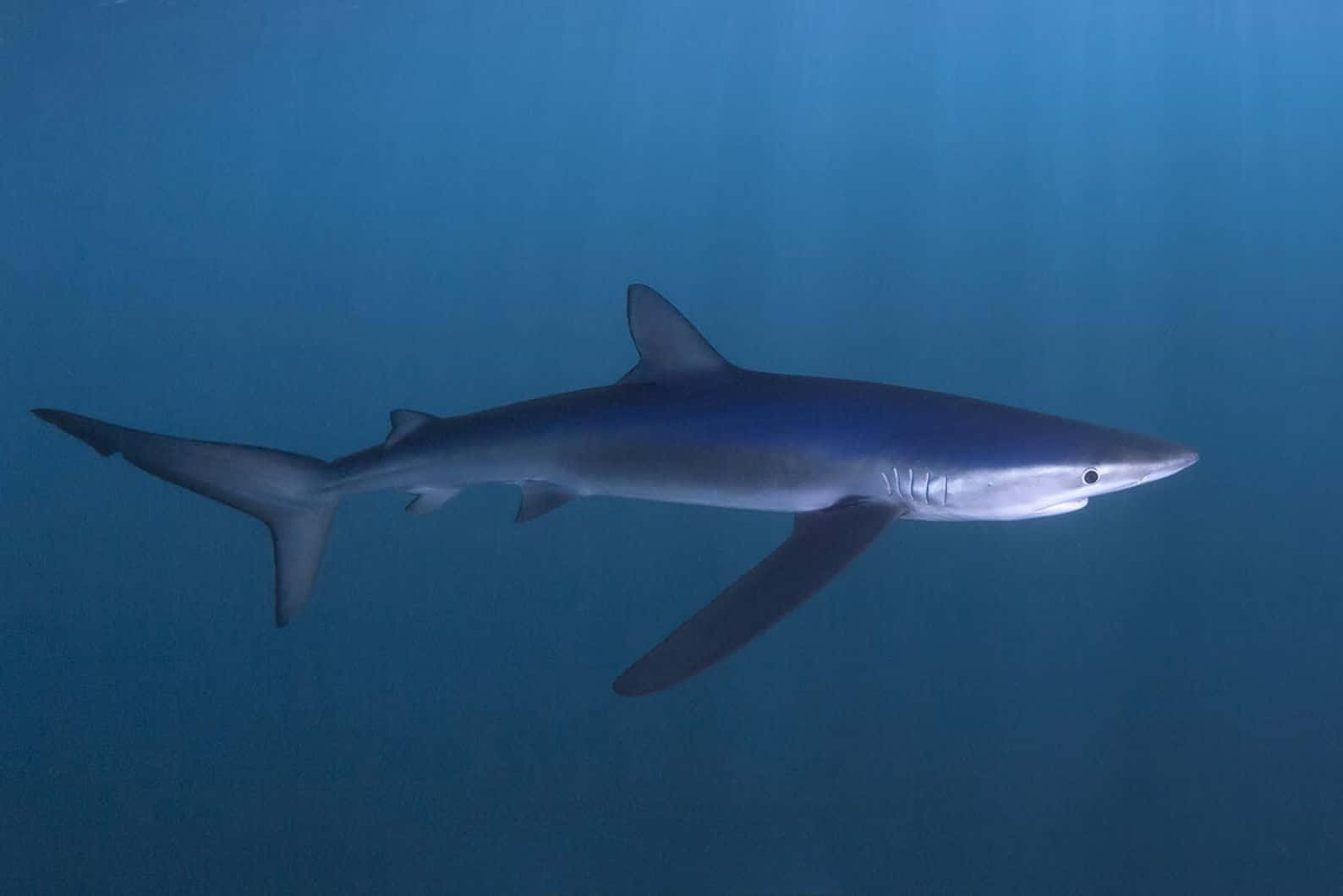
Yes, sharks inhabit Sardinian waters—primarily blue sharks, smooth-hounds, and occasional great whites in deeper offshore zones. Encounters near beaches are exceptionally rare, with zero fatal attacks recorded in modern history. These species favor open water and avoid crowded coastal areas where most swimming occurs.
The Mediterranean basin supports roughly 47 shark species, and at least a dozen pass through or reside in the waters surrounding Sardinia. Blue sharks cruise the deeper offshore currents, smooth-hounds patrol sandy bottoms hunting crustaceans, and small-spotted catsharks hide among rocky reefs. Great white sharks appear infrequently, typically in spring when bluefin tuna migrate through the Strait of Bonifacio, but sightings within swimming distance of shore remain statistically insignificant. Sardinian coastal waters sit at the intersection of nutrient-rich currents and warm surface temperatures, creating ideal conditions for diverse marine life. Sharks follow prey rather than people—anchovies, sardines, and squid drive their movements, not the scent of sunscreen and splashing. The question of whether there are sharks in Sardinia often stems from sensationalized media coverage of distant events, not local reality. Fishermen occasionally pull blue sharks from deep-water lines, and research teams tag specimens for migration studies, but beach patrols report vanishingly few sightings in areas where tourists congregate. Most species here are either bottom-dwellers too small to threaten humans or pelagic hunters that remain far beyond the buoyed swimming zones. The regional government maintains no formal shark-warning system because incident rates don't justify one. Lifeguards receive training in marine safety protocols, yet shark-related interventions rank well below jellyfish stings and sea urchin punctures in frequency. Divers targeting deeper wrecks or offshore pinnacles sometimes encounter blue sharks—these meetings typically end with the animal veering away once it registers human presence. Understanding shark behavior in Sardinia means recognizing that these animals occupy an ecosystem where humans are visitors, not prey. The open-water species that could theoretically pose risk spend their time chasing schools of fish in currents far from the shallows where families wade. Coastal development, boat traffic, and noise naturally deter larger predators from nearshore zones, creating a buffer that has held for decades without intervention.
“Sharks follow prey rather than people—anchovies, sardines, and squid drive their movements, not the scent of sunscreen and splashing.”
While shark species inhabit the Mediterranean Sea, their presence near the Sardinian coast is extremely rare. These marine animals avoid shallow coastal waters favored by snorkelers and remain elusive to human contact.
Data from the Mediterranean Shark Research Group confirms the presence of 47 species, though most occupy deep, offshore waters far from recreational zones.
Prionace glauca, or the blue shark, is the most frequently sighted species in the region but generally avoids shallow reefs and human interaction.
Historical records confirm the presence of Carcharodon carcharias in the Mediterranean, yet confirmed sightings near Sardinia are exceptionally infrequent and localized to deep channels.
There are no documented instances of fatal shark attacks on snorkelers or swimmers in the waters surrounding Sardinia.
Biological studies indicate that sharks typically avoid the shallow, light-filled coastal waters where snorkeling activity occurs due to a lack of prey and human noise.
Sardinia's coastal ecosystem is dominated by smaller fish and marine life, which does not attract large predatory sharks to the immediate shoreline.
Misconceptions regarding shark presence often circulate due to the general vastness of the Mediterranean Sea and exaggerated media portrayals. These myths misrepresent the reality of swimming and snorkeling in coastal Sardinian waters.
MythSardinia is a high-risk area for shark attacks.
FactShark encounters are statistically non-existent, and Sardinia is not a shark habitat that poses a danger to swimmers or snorkelers.
MythThere are sharks specifically waiting near popular beaches.
FactSharks are wild marine animals and not a public attraction; they do not congregate near the coast for human interaction.
MythDangerous shark species inhabit the shallow coastal zones of Sardinia.
FactThe coastal waters around Sardinia do not support populations of dangerous sharks, making the area safe for public access at all times from 00:00–23:59.
The best window for water activities in Sardinia is from June to September when sea temperatures range from 21°C to 26°C. Shark presence does not influence these seasonal recommendations, as they are wild marine animals and not a public attraction.
Warm water 21°C–26°C
This period offers the most consistent conditions for swimming and snorkeling. Water visibility is high during these months.
Mild air and water 16°C–19°C
Spring provides quiet beaches and cooler temperatures for those avoiding the summer heat. Sea temperatures are brisk but suitable for short swims.
Mild air and water 20°C–22°C
The sea retains summer warmth while tourist numbers decline significantly. It is a quiet period for exploring coastal areas.
—
Morning hours offer the calmest water surface conditions for snorkeling. Access is available between 00:00–23:59 to accommodate all schedules.
Verdict: The best time to visit is during the shoulder months of June or September, arriving between 00:00–23:59 to suit your itinerary.
Access to the coastal waters of Sardinia is entirely public. There are no entrance fees, safety charges, or shark-exclusion zones associated with swimming or snorkeling along the coast.
Verdict: A typical adult pays 0 EUR for coastal access, as there are no ticketed zones or shark-related safety fees in public waters.
Sardinia is accessible via major airports in Olbia, Cagliari, and Alghero, with local travel to coastal snorkeling sites best managed by car or regional bus. The island's road network, including the SS131, provides direct access to most public beaches.
SS131 principal road network to coastal sites
ARST regional bus lines to beach hubs
Chartered local transport to island coves
The best arrival window is 00:00–23:59. Parking at popular snorkeling locations fills quickly during peak summer months, so arriving early is recommended to ensure access.
Everything you need to know about are there sharks in sardinia
While various species of sharks exist in the Mediterranean, encounters are extremely rare and are not a cause for concern for swimmers. When people ask are there sharks in sardinia, they often overlook that the vast majority of these animals remain in deep, offshore waters far from recreational zones.
Swimming in Sardinia is considered very safe, as there have been virtually no recorded incidents involving sharks and humans in these coastal areas. You can enjoy the turquoise waters of the Mediterranean with peace of mind during your snorkeling trips.
The local marine ecosystem is characterized by vibrant posidonia seagrass meadows, colorful Mediterranean wrasse, bream, and occasional schools of barracuda. Understanding if are there sharks in sardinia helps highlight that the focus of local snorkeling is on observing small, harmless reef fish and unique underwater flora.
Shark attacks in Italy are statistically negligible, as the Mediterranean is not a habitat for the types of aggressive shark species typically associated with such incidents. Most sharks present in the region are small, timid, and avoid contact with humans entirely.
While it is scientifically possible to find migratory species in the open sea, are there sharks in sardinia that snorkelers would encounter is a resounding no. Snorkeling spots are carefully selected for their clarity and safety, focusing on the abundant biodiversity of the shallow reefs.
The best way to safely explore the coast is by booking a guided excursion that provides local insight into current marine conditions and protected marine parks. Professional guides help you identify local fauna while ensuring you stay within safe and designated swimming areas.
Shark sightings near popular tourist beaches are non-existent, as sharks are wild marine animals and not a public attraction. Local environmental authorities monitor coastal waters to ensure the safety of all visitors enjoying the Mediterranean Sea.
Best Snorkeling Spots in Sardinia
Read more GuideSardinia Snorkeling Map
Read more GuideIs Sardinia Worth Visiting?
Read more GuideTop Snorkeling Beaches in Sardinia
Read more Tickets & toursSardinia Snorkeling Tours & Boat Trips
Read more Tickets & toursCagliari Snorkeling Tours
Read more Tickets & toursPalau & North Sardinia Snorkeling
Read more