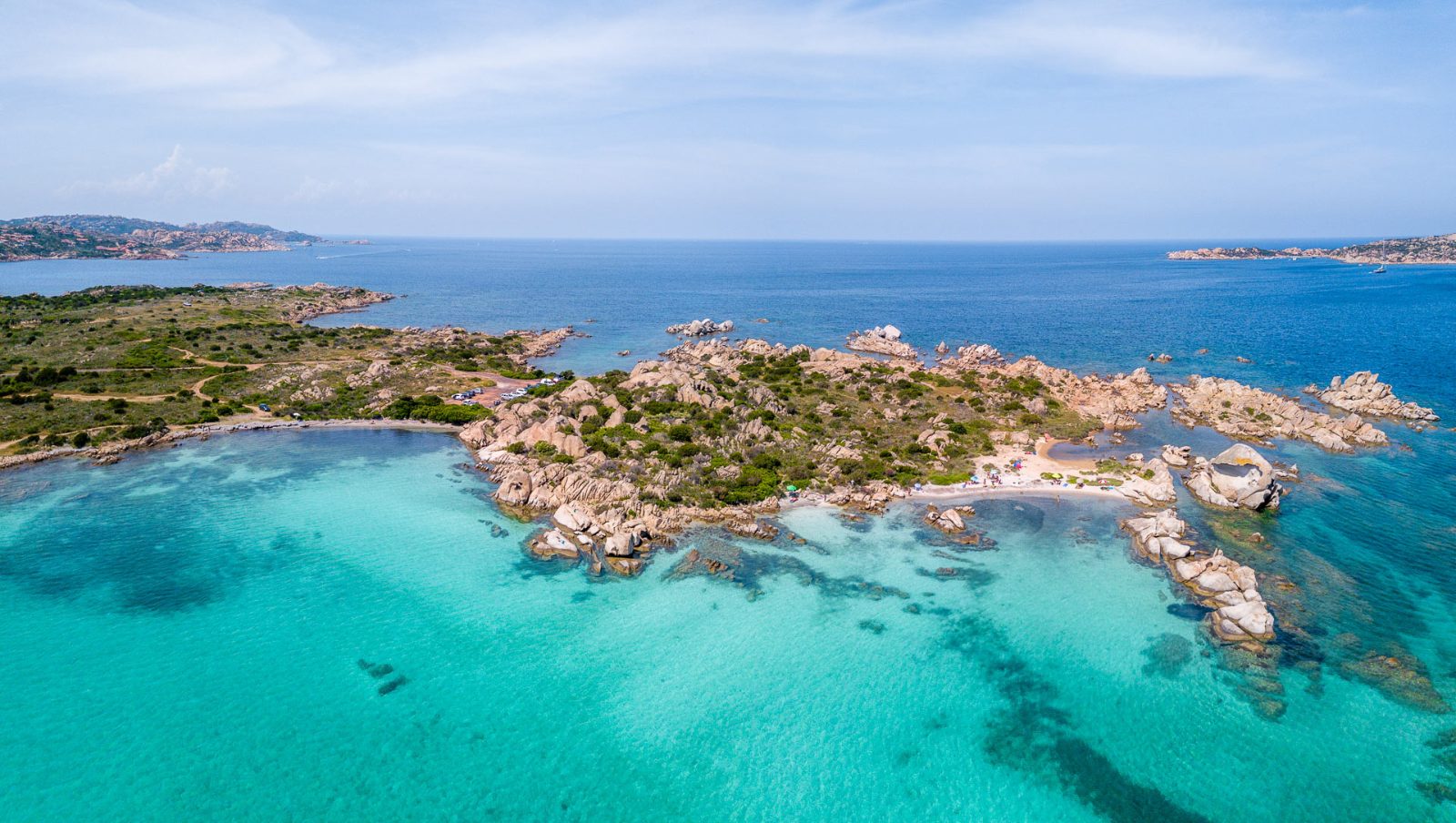
La Maddalena Archipelago
This group of islands features shallow, sandy-bottomed coves and rocky outcrops that host various species of sea bream and wrasse.
Swim toward the rocky perimeter to spot groupers in crevices.

Sardinia's 1,850 kilometers of coastline hold some of the Mediterranean's most pristine snorkeling sites, from shallow limestone caves to protected marine reserves teeming with grouper and octopus. Most locations require no entry fee and remain accessible year-round, though water visibility and sea conditions vary sharply by season and time of day.
Quick answer
The best snorkeling spots in Sardinia cluster along the island's northeast and southwest coasts, particularly within the Tavolara-Punta Coda Cavallo Marine Protected Area, the Capo Caccia-Isola Piana reserve, and the Gulf of Orosei. Most public beaches charge no entrance fee. Arriving between 08:00 and 11:00 ensures calm water, optimal visibility before afternoon winds, and access to the most sheltered coves before crowds fill parking areas.
Sardinia's underwater topography shifts dramatically along its perimeter—what works on the Costa Smeralda fails entirely on the windward west. The island's marine protected areas enforce zoning rules that keep motorboats and fishing nets away from the richest reefs, meaning the clearest water and densest fish populations concentrate in just a few legally guarded pockets. Understanding which sites match your skill level and current sea conditions determines whether you spend an hour dodging jellyfish in murky shallows or floating above meadows of Posidonia oceanica alongside damselfish and sea bream. The northeast reserves—Tavolara, Molara, and the granite headlands near Capo Coda Cavallo—offer shallow entry points over white sand that transitions to boulder fields within 20 meters of shore. Grouper hide in crevices, and the water stays gin-clear even in July. The Gulf of Orosei, accessible by boat or multi-hour hike, holds the island's most dramatic sites: Cala Goloritze's turquoise basin and the sea caves at Cala Mariolu where sunlight refracts through limestone arches. Capo Caccia on the west coast delivers vertical walls and deeper grottos, but Atlantic swells make it unsuitable on windy days. Most Sardinia snorkeling beaches open to the public without tickets, though some require parking fees or seasonal access permits issued by local municipalities. A few sites within strict no-take zones limit daily visitor numbers—arrive early or risk being turned away at trailheads. The operative question is not where to go but when: morning hours before the maestrale wind picks up, and outside the August crush when every cove becomes a floating parking lot. Gear rental kiosks appear at major beaches, but serious snorkelers bring their own mask to ensure proper fit and anti-fog reliability. Sardinia rewards preparation. The water temperature drops to 14°C in February, making wetsuits non-negotiable outside summer months. Many of the island's finest sites sit at the end of unpaved roads or require scrambles over rocks—water shoes with grip prevent sliced feet on sea urchin spines and barnacled boulders. The sardinia best snorkeling spots guide is less about a single postcard location and more about matching your arrival window, fitness level, and tolerance for crowds to the right combination of access, protection, and marine density.
“The island's marine protected areas enforce zoning rules that keep motorboats and fishing nets away from the richest reefs, meaning the clearest water and densest fish populations concentrate in just a few legally guarded pockets.”
Sardinia offers diverse marine environments ranging from granite-framed coves to protected marine reserves. These locations provide clear visibility for observing Mediterranean marine life in their natural habitats.
This group of islands features shallow, sandy-bottomed coves and rocky outcrops that host various species of sea bream and wrasse.
Swim toward the rocky perimeter to spot groupers in crevices.
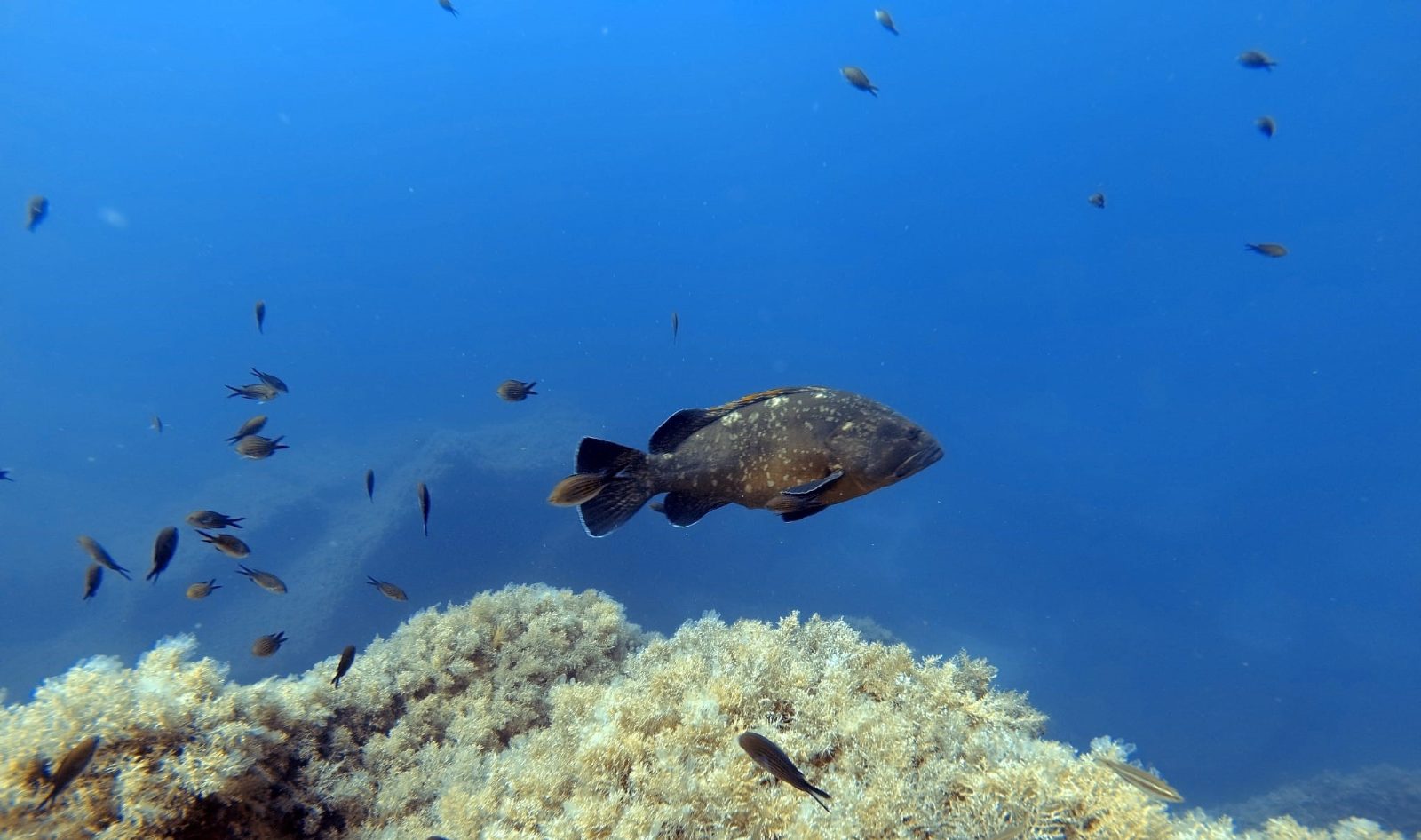
Located in the protected area of Villasimius, this spot is known for its seagrass meadows and frequent sightings of barracuda.
Look for schools of fish near the submerged rock formations.
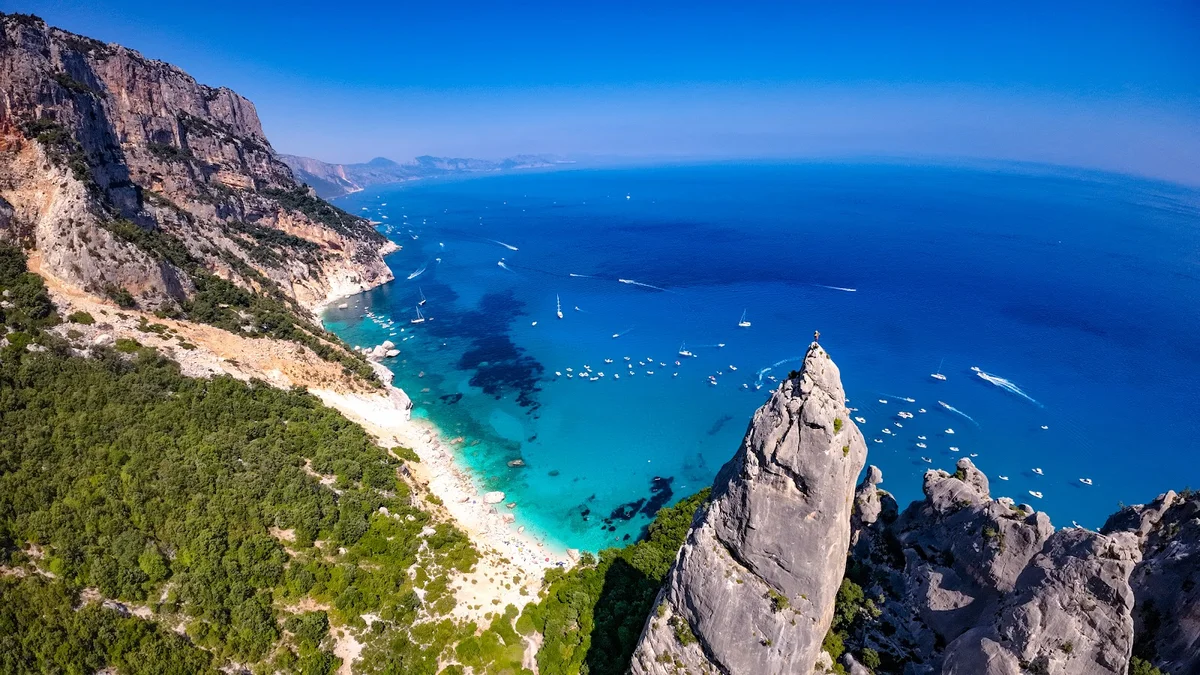
This site is characterized by white limestone cliffs and deep blue water, offering high visibility for snorkeling along the rock walls.
Stay close to the cliffs to observe colorful marine sponges.
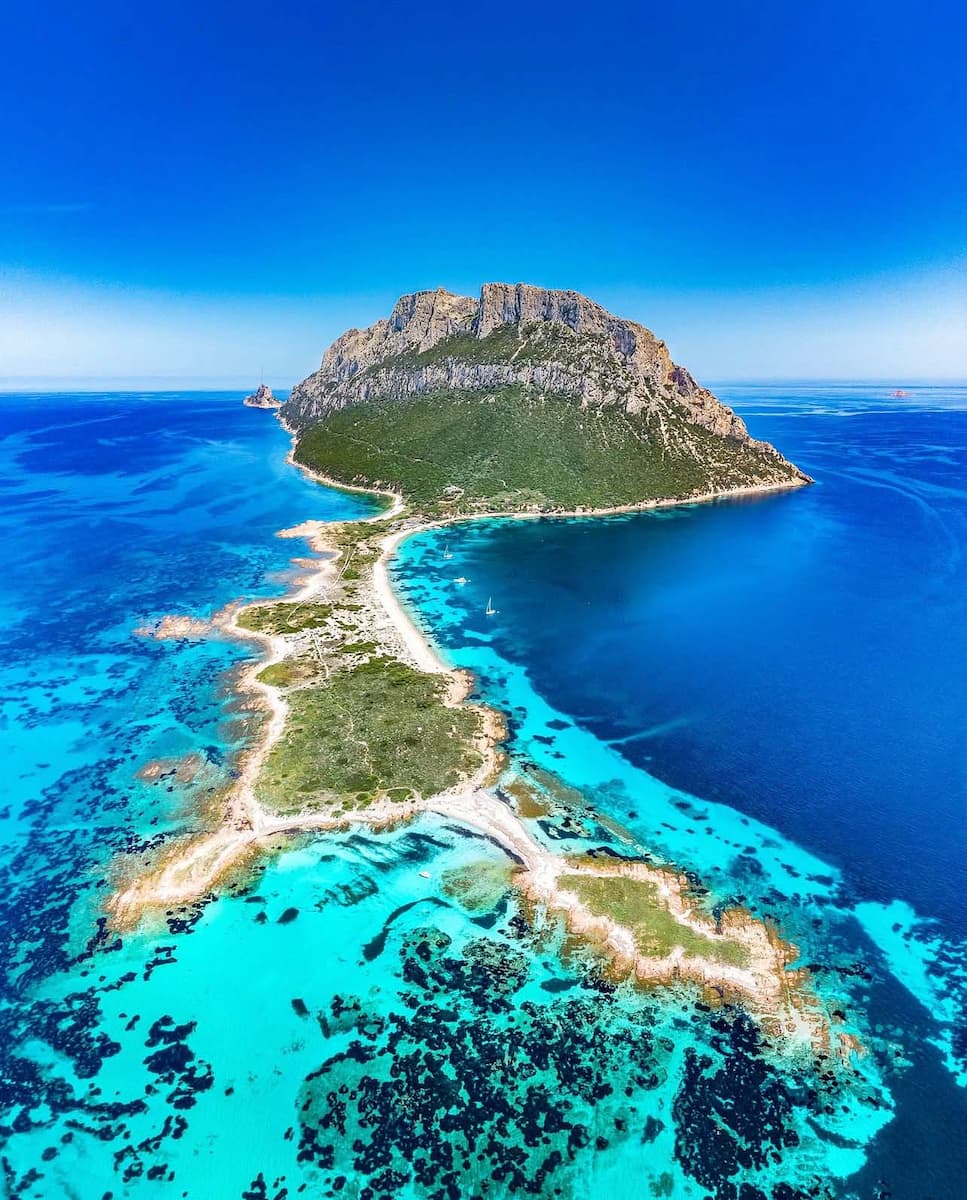
A limestone massif rising from the sea, this area features extensive underwater meadows and diverse fish populations.
Explore the shallow sandy patches between large rock boulders.
Most public snorkeling sites in Sardinia are accessible daily throughout the week. Beach access and facility operations typically follow consistent hours.
Access to the vast majority of public beaches in Sardinia is free. Certain protected marine areas or specific coastal sites may require small regulated fees for environmental maintenance.
Verdict: An adult typically pays 0 EUR for beach access, though specific protected zones may charge a nominal entry fee.
Most snorkeling locations in Sardinia are accessed via coastal roads or private boat charters departing from major ports. Rental cars provide the most flexibility for reaching remote beaches, while organized boat excursions offer direct access to restricted marine protected areas.
SS125 Orientale Sarda to Gulf of Orosei
Departure from Palau to La Maddalena Archipelago
Line 9343 from Olbia to San Teodoro
Pathways from Capo Testa parking area
Plan your travel to reach your destination during the best arrival window of 08:00–11:00. This ensures easier parking at popular coastal sites and allows you to experience calmer sea conditions.
Prepare your gear and safety essentials before heading to Sardinia's snorkeling sites.
Everything you need to know about sardinia best snorkeling spots
The island offers numerous locations with clear Mediterranean waters, including the protected areas of La Maddalena Archipelago and the Tavolara Marine Reserve. These areas provide diverse marine life and rock formations for divers of all levels to observe. Please consult our highlights section for specific site recommendations.
To experience the best water visibility and calm sea conditions, the best arrival window is 08:00–11:00. Arriving early also helps you avoid the peak crowds and the intense midday heat.
Entrance fee is 0 EUR for most public beaches. Some specific protected sites or marine parks may require small fees, so please check local regulations before you head out.
Many sheltered coves offer calm, shallow waters that are ideal for families. Always ensure children are supervised and use appropriate flotation devices in the sea.
Visitors typically need a mask, snorkel, and fins to enjoy the underwater environment. While some guided tours provide equipment, those visiting independently should bring their own gear.
A common mistake is failing to check weather conditions or sea currents before departing. Always prioritize safety and verify that marine conditions are suitable for swimming.
Most coastal sites are accessible by car, while more secluded bays often require a boat trip or a hike. Refer to our logistics and transport section for guidance on navigating to these coastal areas.
Sardinia Snorkeling Map
Read more GuideIs It Safe? Sharks in Sardinia
Read more GuideIs Sardinia Worth Visiting?
Read more GuideTop Snorkeling Beaches in Sardinia
Read more Tickets & toursSardinia Snorkeling Tours & Boat Trips
Read more Tickets & toursCagliari Snorkeling Tours
Read more Tickets & toursPalau & North Sardinia Snorkeling
Read more