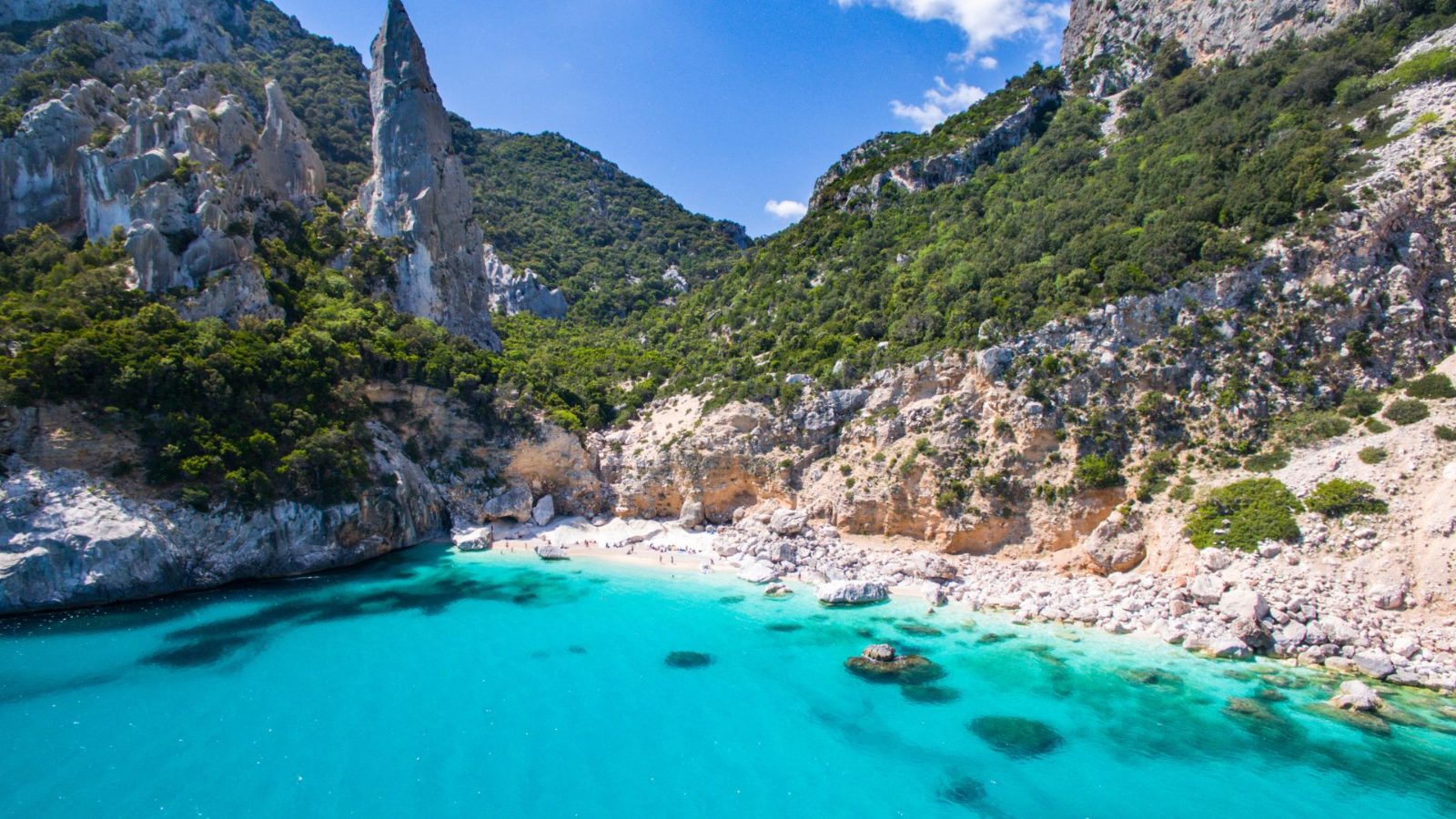
Cala Goloritzé
This marine protected area features limestone rock formations and deep turquoise water. The steep drop-offs attract pelagic fish species.
Look for larger fish near the submerged limestone archways.

Sardinia's eastern and southern coasts shelter dozens of snorkeling sites where limestone seabeds, granite formations, and protected marine zones create exceptional underwater visibility. This guide identifies the beaches where shore entry, water clarity, and marine biodiversity align—and explains what makes each location distinct.
Quick answer
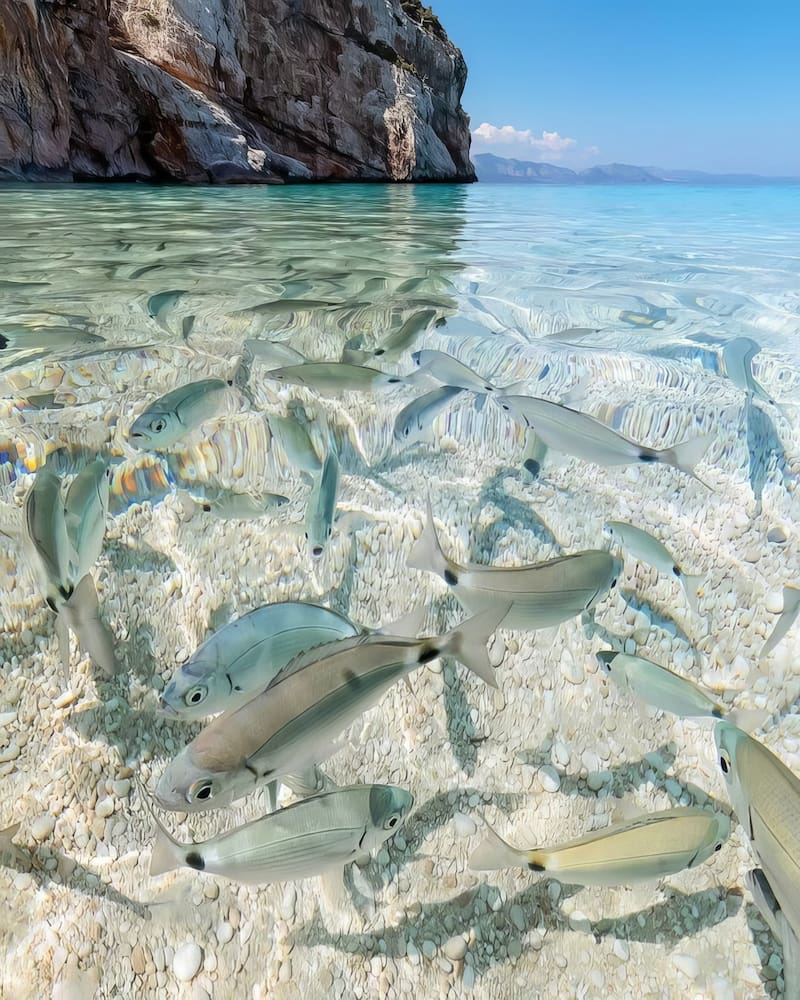
The Sardinia best snorkeling beaches concentrate along the Golfo di Orosei and the southern coast near Villasimius, where limestone cliffs and marine protected areas create visibility exceeding 30 meters. Cala Mariolu, Cala Goloritzé, and Spiaggia del Riso offer shore-accessible reefs with minimal current, while Capo Carbonara and Isola dei Cavoli provide deeper drop-offs for confident swimmers. July through September deliver the warmest water temperatures, but May, June, and October offer clearer conditions with fewer visitors.
Sardinia's coastline drops into the Tyrrhenian Sea along fault lines that create sudden depth transitions and sheltered coves—conditions that concentrate marine life and preserve water clarity even during summer months. The island's best snorkeling zones form where these geological features intersect with protected marine reserves, a combination that supports posidonia meadows, damselfish populations, and occasional grouper sightings within swimming distance of shore. Cala Mariolu anchors the Golfo di Orosei's snorkeling corridor. White pebbles give way to a limestone seabed at three meters, visibility remains consistent through midday, and the cove's eastern headland shelters a small cave accessible at the surface. Boat access from Santa Maria Navarrese costs 7 EUR per person and operates daily from 07:30 to 17:00 between April and October. Cala Goloritzé, two kilometers north, requires a 90-minute trail descent but rewards the effort with a natural arch visible from the surface and zero boat traffic before 10:00. Both sites sit within the Parco Nazionale del Golfo di Orosei e del Gennargentu, which enforces anchoring restrictions that preserve seagrass beds. Sardinia best snorkeling beaches in the south cluster near Villasimius, where the Capo Carbonara marine protected area extends three nautical miles offshore. Spiaggia del Riso combines easy parking with a gentle slope into four meters of water over granite boulders—ideal for beginners. Isola dei Cavoli, accessible by zodiac from Porto Giunco, offers vertical walls and pelagic fish but demands strong swimming ability and awareness of boat channels. Water temperature peaks at 26°C in August but drops to 18°C by late October, when a 5mm wetsuit becomes necessary. The western coast near Alghero presents a different profile: sandstone cliffs and deeper initial drops create fewer shore-entry options, but Capo Caccia's marine reserve compensates with Neptune's Grotto access and protected grouper zones. Snorkelers equipped with fins can explore the reserve's outer perimeter, though the site favors freediving over surface observation. Coral formations appear below 12 meters—beyond recreational snorkeling range but visible to those willing to duck-dive. Timing shapes the experience as much as location. Morning light penetrates the water column at sharper angles, revealing fish movement and seabed texture that afternoon sun washes out. Arriving before 10:00 at boat-access beaches secures mooring spots before the daily visitor cap is reached. Wind direction matters: maestrale from the northwest clouds western beaches but leaves the Golfo di Orosei calm, while scirocco from the southeast reverses the pattern. Check marine forecasts rather than general weather apps—wave height below 0.5 meters indicates optimal conditions.
“Limestone seabeds and marine protected areas create visibility exceeding 30 meters along Sardinia's eastern coves.”
The period from June to September offers the warmest water temperatures, while May and October provide clearer visibility and fewer crowds. Early mornings remain the most consistent time to snorkel before afternoon winds like the Mistral create choppier surface conditions.
Warm water (22–26°C)
Frequent afternoon winds can reduce visibility; morning snorkeling is preferred.
Mild water (18–21°C)
Calmer sea states and high visibility make these months ideal.
—
Arriving between 07:30 and 10:00 avoids the daily heat and ensures access before visitor caps are reached.
Verdict: For the best conditions, visit during the shoulder months of May or October, arriving between 07:30 and 10:00 to minimize wind and crowd interference.
Sardinia offers diverse underwater environments, ranging from rocky granitic coves to expansive seagrass meadows. These areas provide habitats for groupers, octopus, and dense schools of Mediterranean fish.
This marine protected area features limestone rock formations and deep turquoise water. The steep drop-offs attract pelagic fish species.
Look for larger fish near the submerged limestone archways.
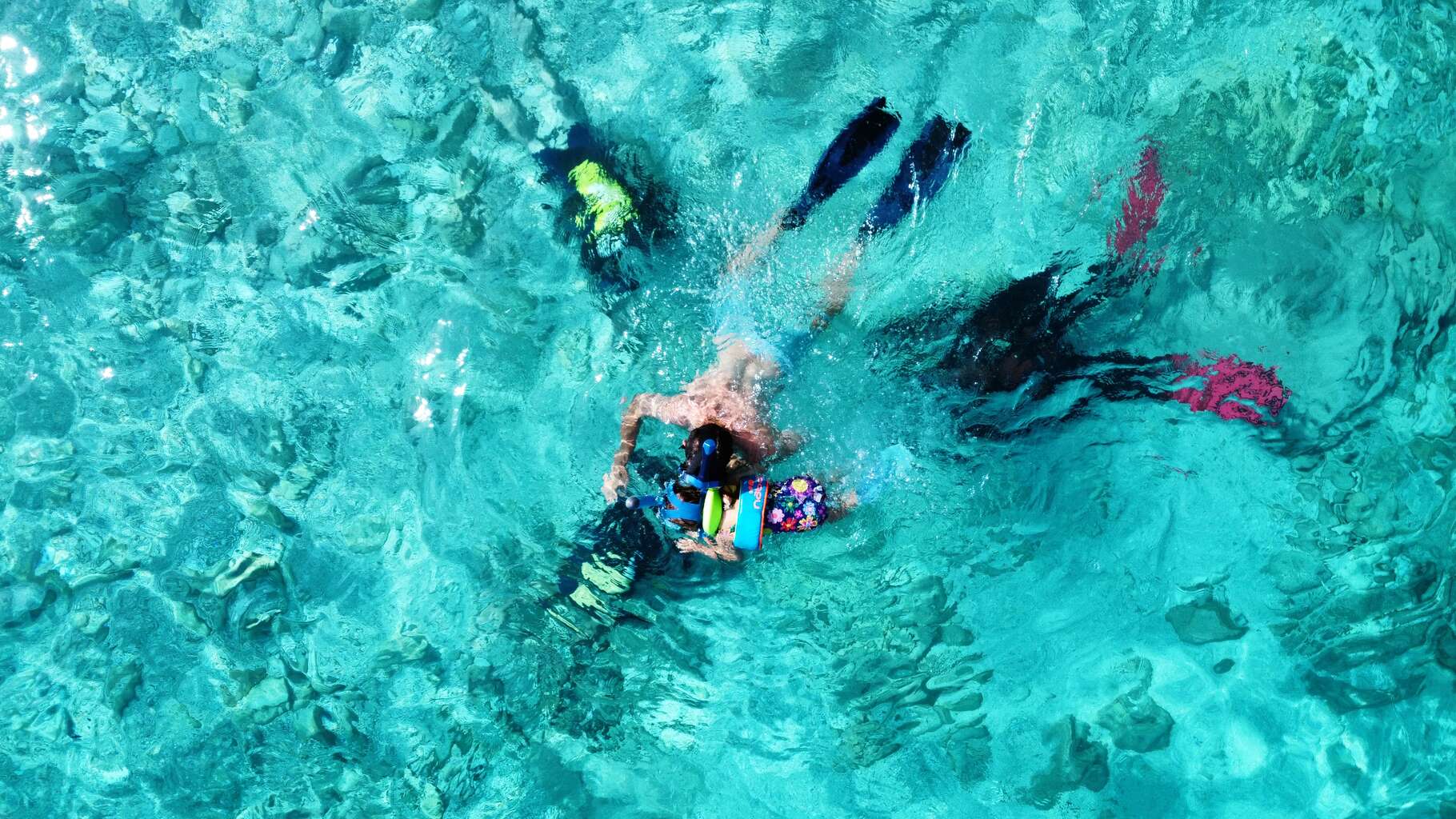
Known for its white marble pebbles, this bay maintains high water clarity. The calm conditions are suitable for observing juvenile fish in shallow rocky crevices.
Swim toward the larger boulders at the northern edge.
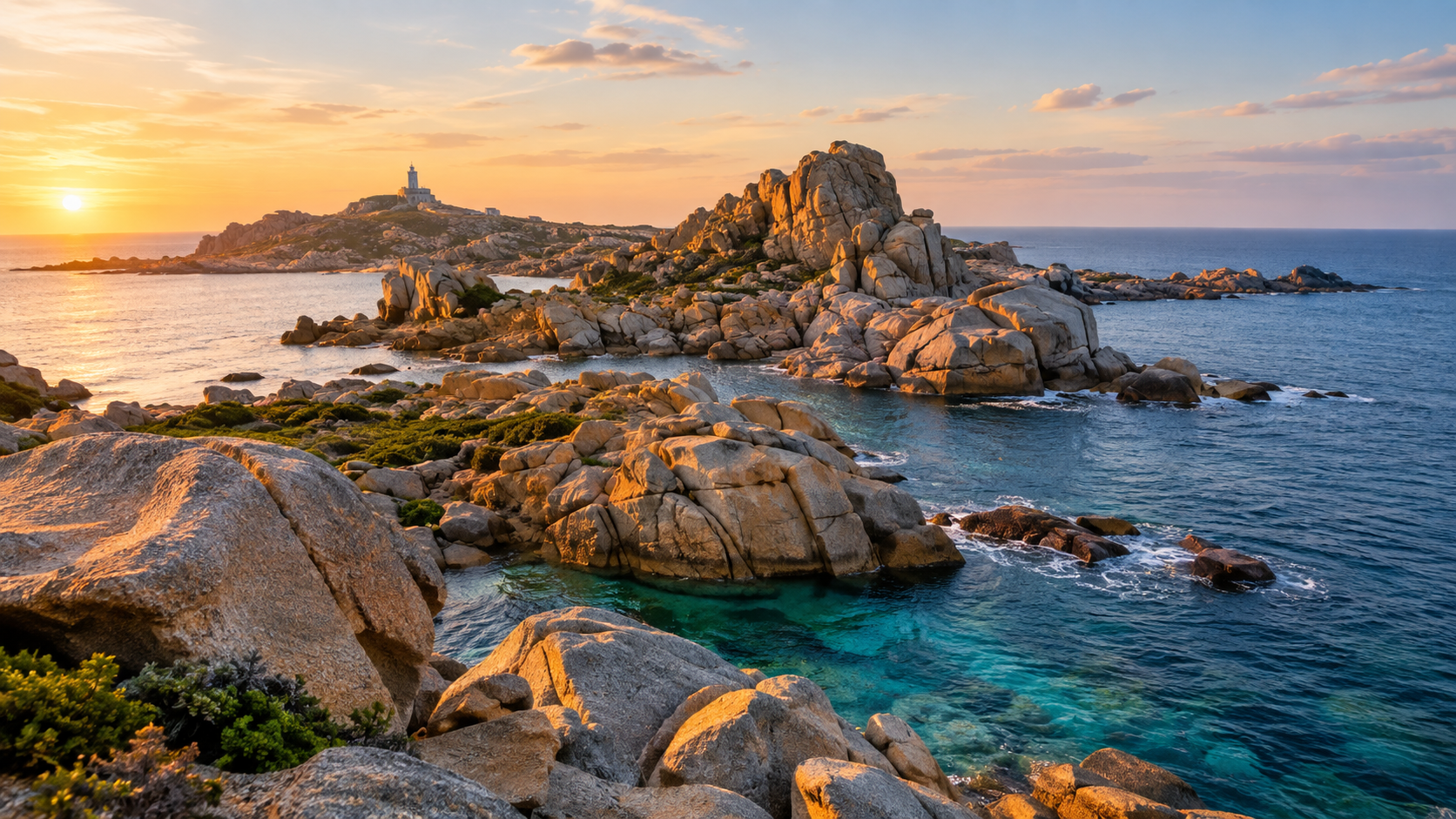
Located in northern Sardinia, this area is defined by wind-sculpted granite boulders and underwater canyons. Strong currents support a variety of sponges and crustaceans.
Explore the rock crevices where octopus typically hide.
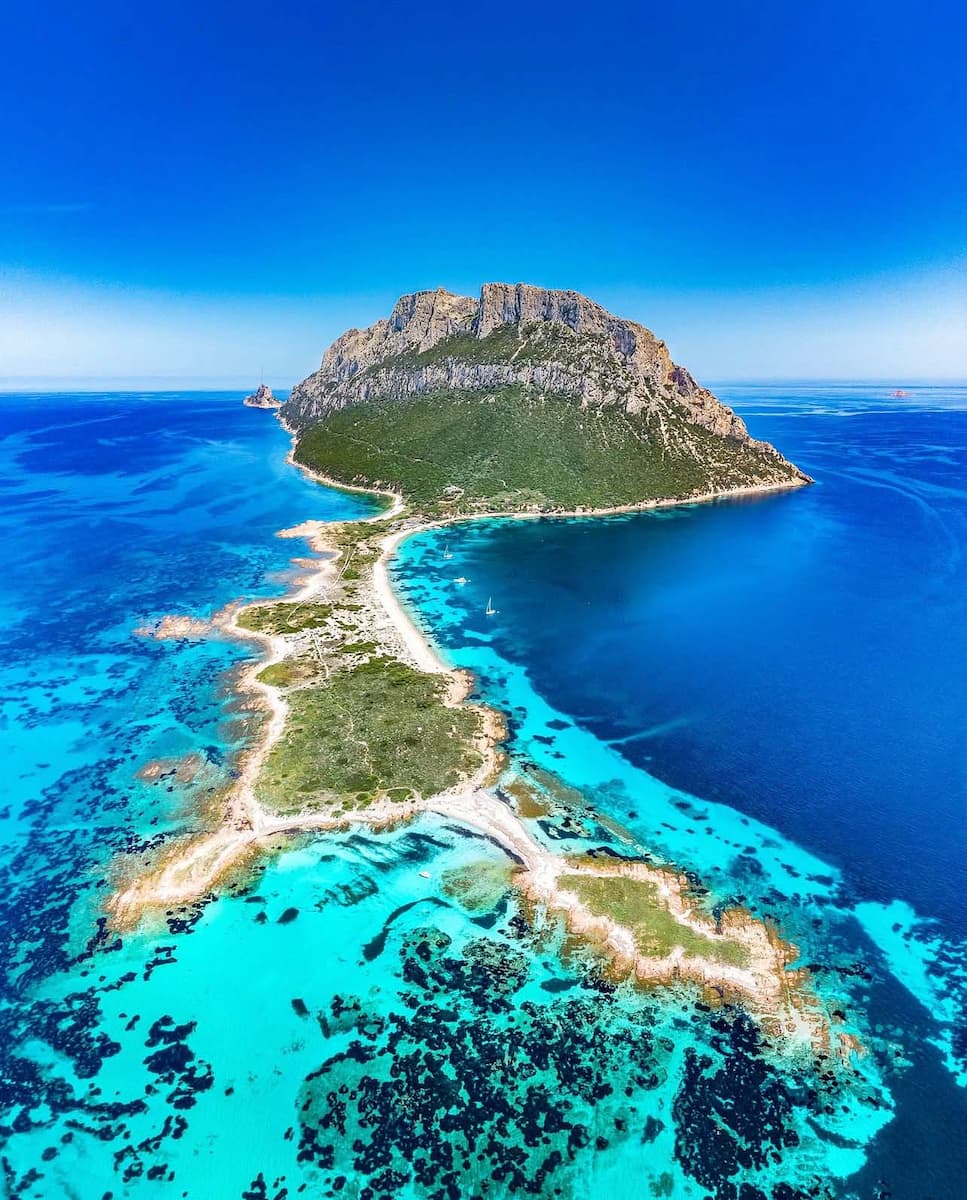
This limestone massif rises from the sea, offering seagrass meadows and sandy patches. The area is frequented by sea bream and occasionally larger marine life.
Check the border between seagrass and sandy seafloor.
The most secluded snorkeling locations along the Gulf of Orosei are primarily accessible via boat excursions departing from Santa Maria Navarrese or Arbatax. While some rugged coastal stretches can be reached via hiking trails from the Supramonte plateau, boat transport remains the most efficient method for reaching multiple coves in a single day.
SS125 Orientale Sarda to Baunei
Departure from Santa Maria Navarrese port
Trekking path from Località Su Porteddu
For land-based access, head to the address at Località Su Porteddu, 08040 Baunei, Sardinia, Italy. Arrive between 07:30–10:00 to avoid mid-day heat and ensure access before the daily visitor cap is reached.
Sardinia's marine protected areas enforce strict conservation rules to preserve coral reefs, seagrass meadows, and endemic species. Violating no-take policies or using prohibited substances can result in fines.
Essential gear and safety items ensure comfortable, responsible exploration of Sardinia's marine protected areas.
Everything you need to know about sardinia best snorkeling beaches
The clarity of the Mediterranean waters and the vibrant marine biodiversity define these sites as the sardinia best snorkeling beaches. These coves often feature rocky seabeds and seagrass meadows that provide habitat for diverse fish species. Visitors consistently rank these clear coastal waters among the premier snorkeling destinations in Italy. Exploring these natural swimming pools allows for up-close observation of local marine life in protected environments.
Yes, certain protected areas require a conservation and access fee of 7 EUR per person. This fee supports the maintenance and preservation of the fragile coastal ecosystem. Please ensure you are prepared to pay this amount upon arrival at designated locations. Check the official local tourism portal for specific site regulations regarding payment methods.
To experience the sardinia best snorkeling beaches without heavy crowds, the best arrival window is 07:30–10:00. Arriving early also helps you avoid the intensity of the mid-day heat. This schedule ensures you have the best visibility and a higher chance of securing access before daily visitor caps are reached.
Many of these areas provide shallow, sheltered entries suitable for younger swimmers to observe marine life. However, adult supervision is always necessary due to the rugged nature of some coastal terrain. Families often find the calm morning waters ideal for introducing children to the underwater environment. Always monitor sea conditions and local weather reports before heading to the coast.
Preparation is key when visiting the sardinia best snorkeling beaches for a comfortable experience. Essential gear includes a well-fitting mask, snorkel, and fins, along with sun protection like rash guards and biodegradable sunscreen. Carrying sufficient drinking water and a dry bag for personal items will also improve your visit. Respecting the marine sanctuary rules is vital to preserve the habitat for future snorkelers.
Access to some protected coastal sites is managed via daily visitor caps to maintain environmental integrity. You should plan your itinerary around the recommended arrival times to guarantee entry. Consult the official site at https://www.turismobaunei.eu to confirm if specific permits are required for your chosen date. Following these logistical steps ensures a smooth trip to the most popular snorkeling zones.
Various local operators offer guided snorkeling excursions that provide deeper insights into the regional ecosystem. These tours often supply necessary equipment and expert knowledge of the best underwater trails. Booking a guide can be a beneficial way to navigate the complex topography of the coastline safely. Check local listings to connect with reputable providers in the area.
Best Snorkeling Spots in Sardinia
Read more GuideSardinia Snorkeling Map
Read more GuideIs It Safe? Sharks in Sardinia
Read more GuideIs Sardinia Worth Visiting?
Read more Tickets & toursSardinia Snorkeling Tours & Boat Trips
Read more Tickets & toursCagliari Snorkeling Tours
Read more Tickets & toursPalau & North Sardinia Snorkeling
Read more